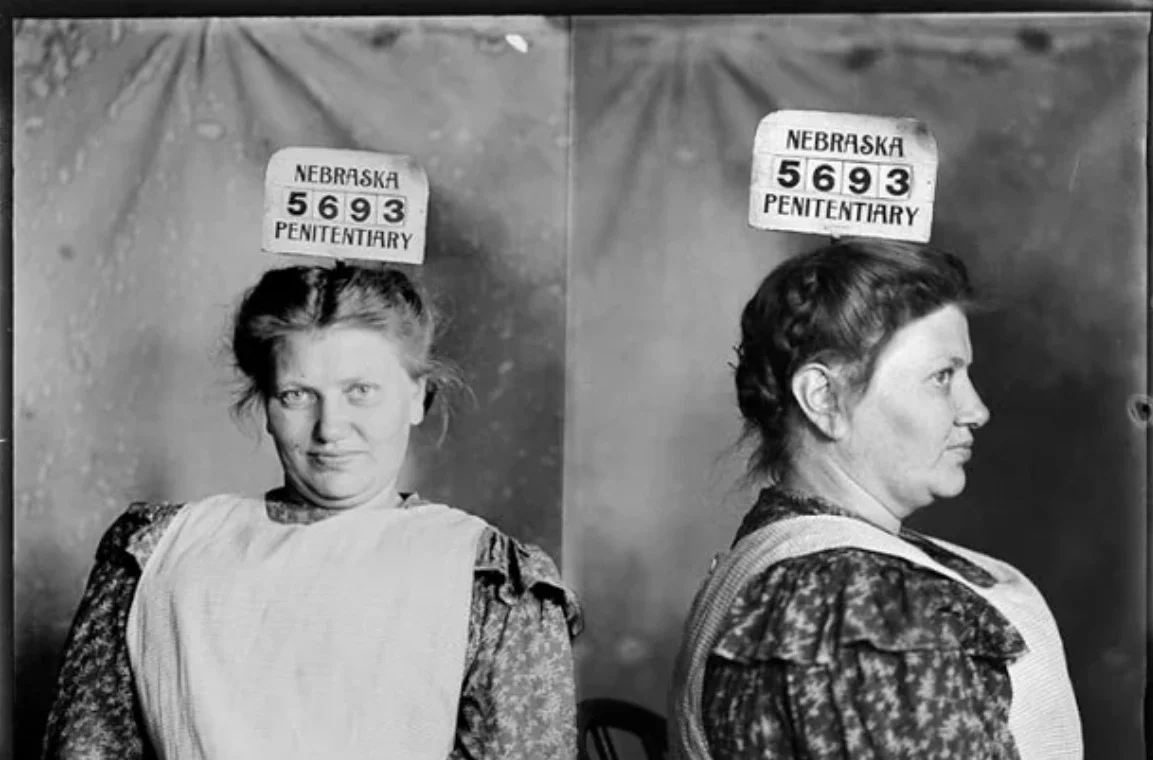
Fainting Bertha the Pickpocket, Murderous Nannie and George the Burglar – just three of the fascinating real-life Victorian characters we were introduced to at Fiona Johnson’s workshop (more of which later).
Fiona opened the evening with a slideshow to guide us on transforming flat, one-dimensional characters to interesting, multi-layered characters readers would engage with. She suggested we ask ourselves questions such as–
What does our character want?
What do they fear?
What are their habits?
How do they react under pressure?
We should take time to get to know our characters. Give them texture and contradictions. Give them a past that explains the present. Craft a voice that feels ‘live-in.’
 To illustrate this Fiona highlighted Nucky Thompson – the protagonist of Boardwalk Empire – as a masterclass in layered characterisation.
On the surface he’s benevolent, charitable and charming; adored by his family and admired by his community for his generosity. Yet, beneath his personable exterior, he’s a ruthless, violent, corrupt gangster and politician. Nucky has more layers than a brown onion.
 For our first writing exercise Fiona revealed a ‘Rogue’s Gallery’; sepia-toned faces of Victorian ne’er-do-wells (see above), each accompanied by a tantalising scrap of biography. We were invited to choose one face from the line-up and imagine five objects they might have in their bag or pocket. The twist was that each item had to reveal. a fear, a habit, a contradiction or a secret.
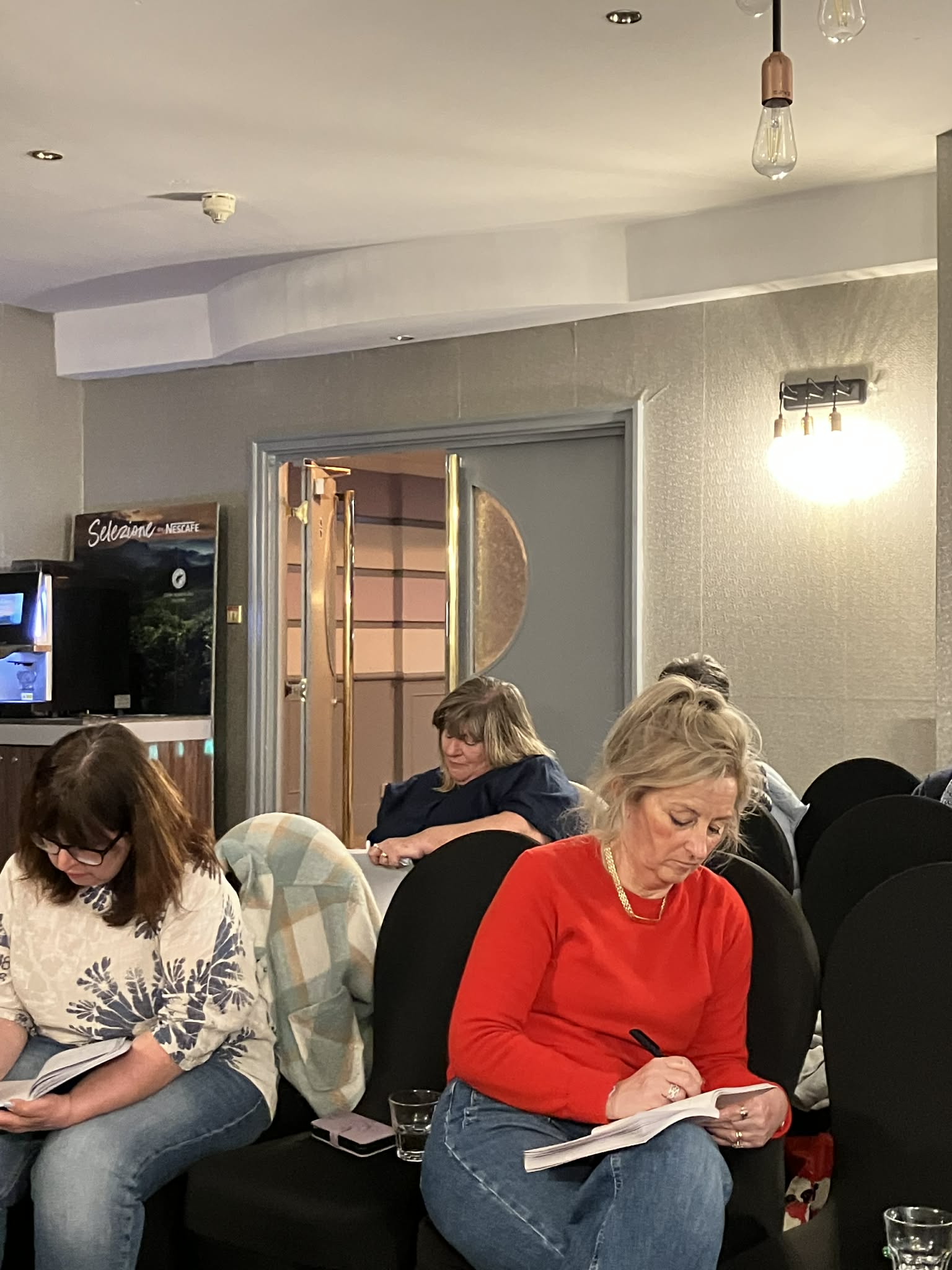 Our members’ miscreants’ pockets and bags yielded a locket, a photograph, a bottle of poison, a bottle of gin and a ‘getaway’ train ticket and other intriguing clues to their crimes and characters.
We then paired up to explore what our chosen figures might want, fear or regret.
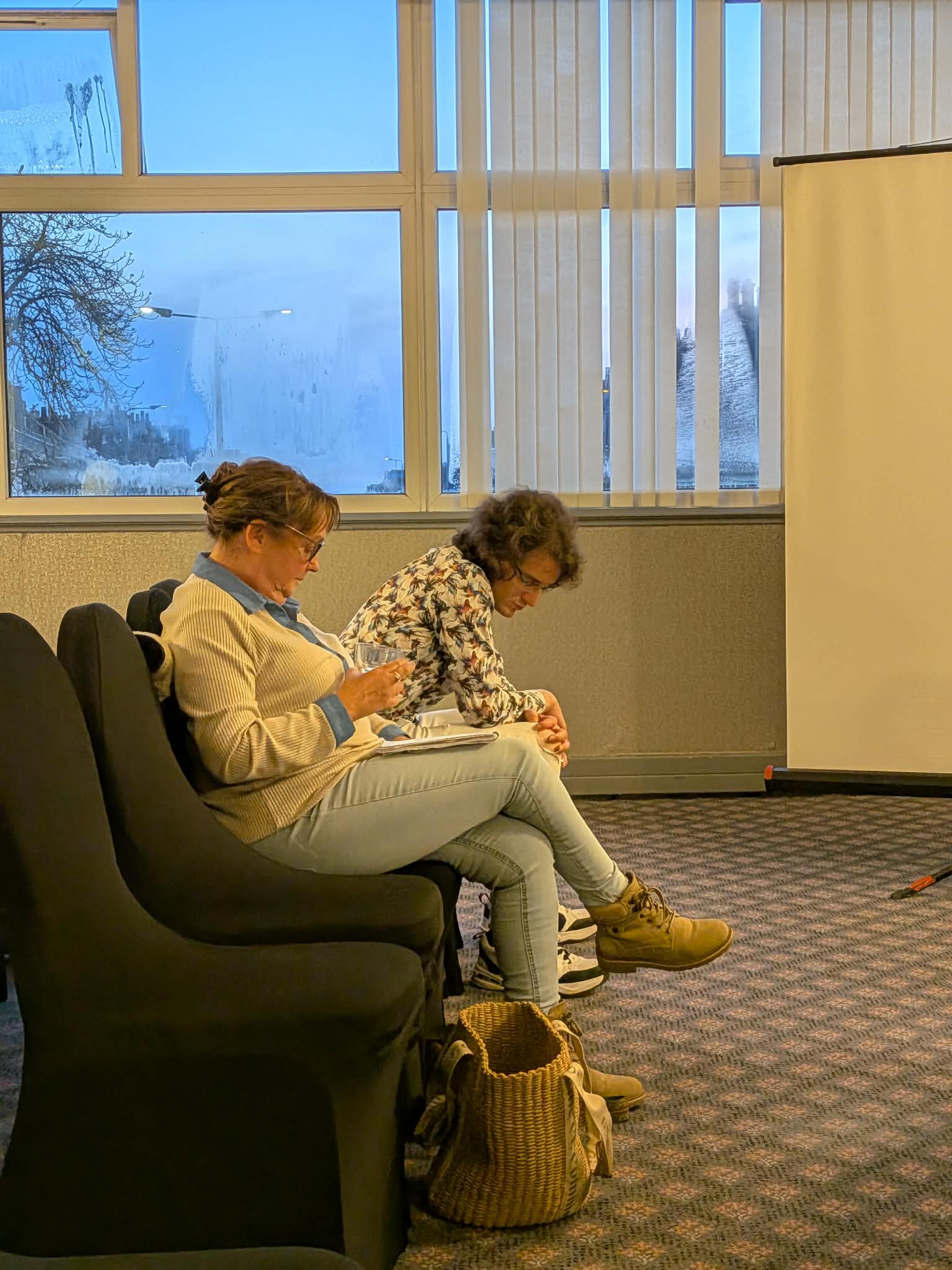 My Nannie – a housekeeper who murdered her employer – regretted having been wooed into bed by her boss and falling pregnant. She feared having her baby being ripped from her arms and being sentenced to death, and she wanted the best lawyer her family could afford. Poor Nannie.
For our final exercise, we imagined our characters sharing a cell with a stranger and invented two truths and one lie they might confess to their cell-mate. It was a deceptively simple prompt that pushed us even deeper into their psychology — what they’d admit, what they’d conceal, and what they’d twist for advantage.

Thanks for another great workshop that proved developing a character involves far more than giving them a name, an age and a physical description.
Linda Brown