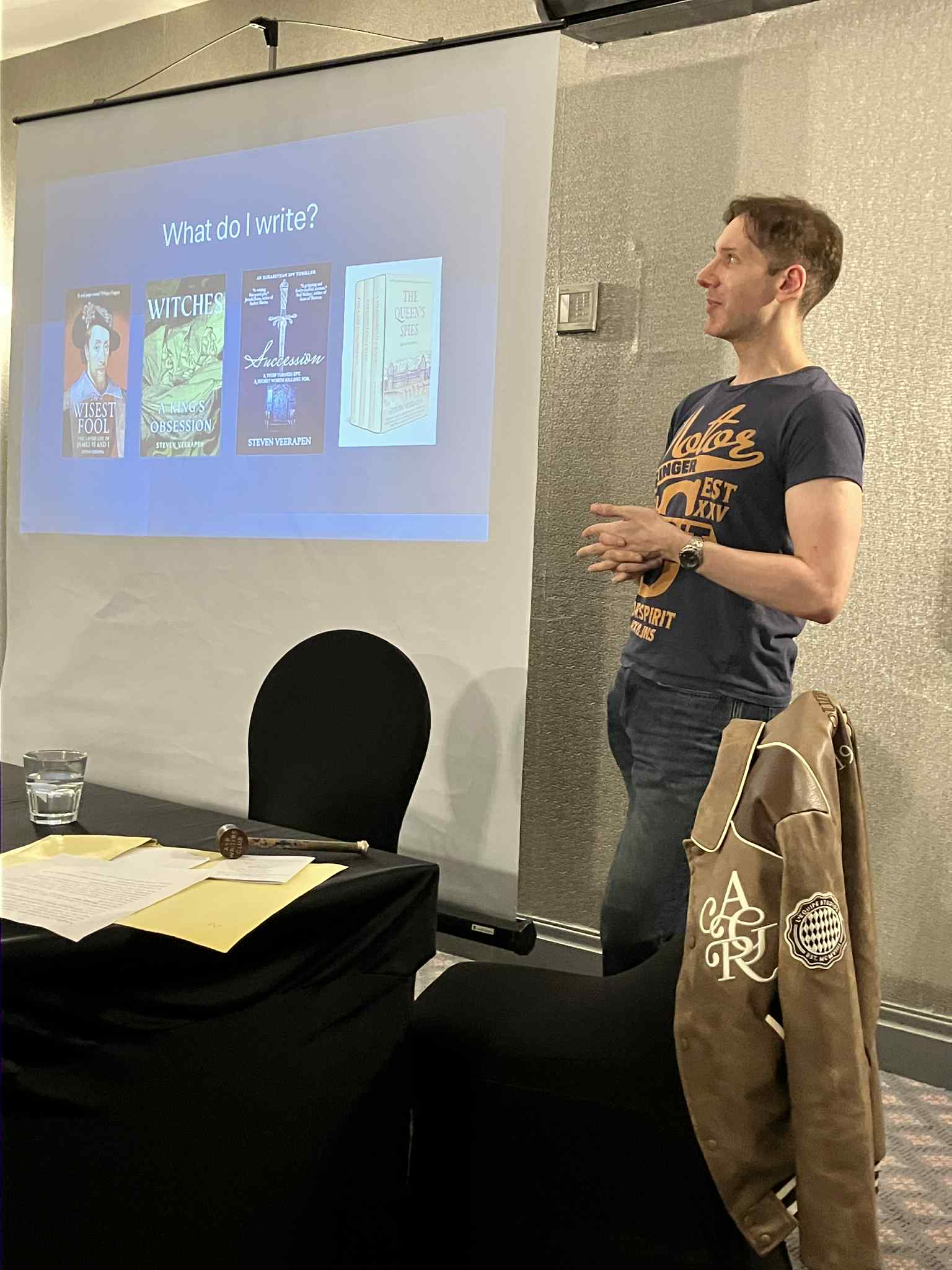
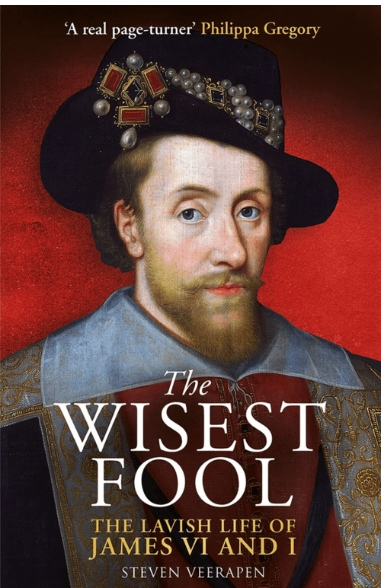
 On Wednesday night, the Mercure Hotel in Ayr was transformed into a time machine as Stephen Veerapen took us back to the 1500s. His latest book is about King James XI of Scotland, I of England and his obsession with witches.
 Throughout the evening, Stephen gave us many hints and tips on writing in a historical setting. He reminded us multiple times about the importance of character, even when writing non-fiction. Readers need someone to follow. There are interesting people in every era to keep your readers engaged.
 It’s been said so many times, but show, don’t tell. Each period has its own distinctive sights, sounds and smells, and these will help give your reader a sense of the period you’re writing about.
Now, on to the age-old question, what is the difference between fiction and non fiction? When writing historical, can you write a non-fiction story when you weren’t there to witness it? If you don’t know every detail of what happened, can you still tell that story? Of course, you can. All historical writers do. It’s about using your imagination to fill in the gaps of our knowledge. Readers like to know the motivation behind these characters. So you really have to get into their heads to figure out why they did what they did.
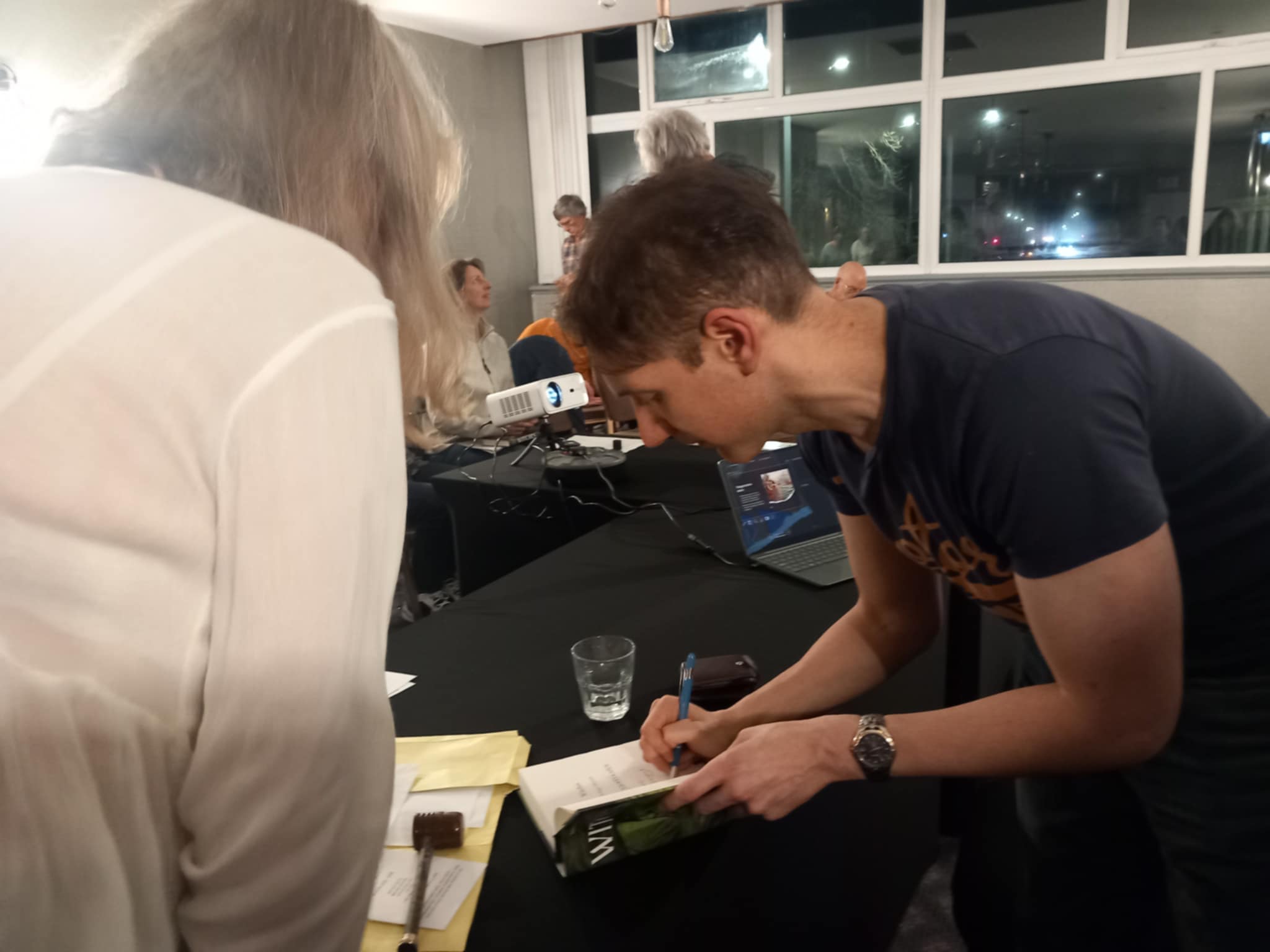 Stephen gave us a couple of exercises for us to work on, the first being trying to figure out what is “fictiony” and “non-fictiony” about a piece of writing. Our time machine then took us even further back in time to Cleopatra leaving Antony at the battle of Actium. Some wrote about Cleopatra herself, some about Antony and some about oarsmen, wanting to get home to their families.
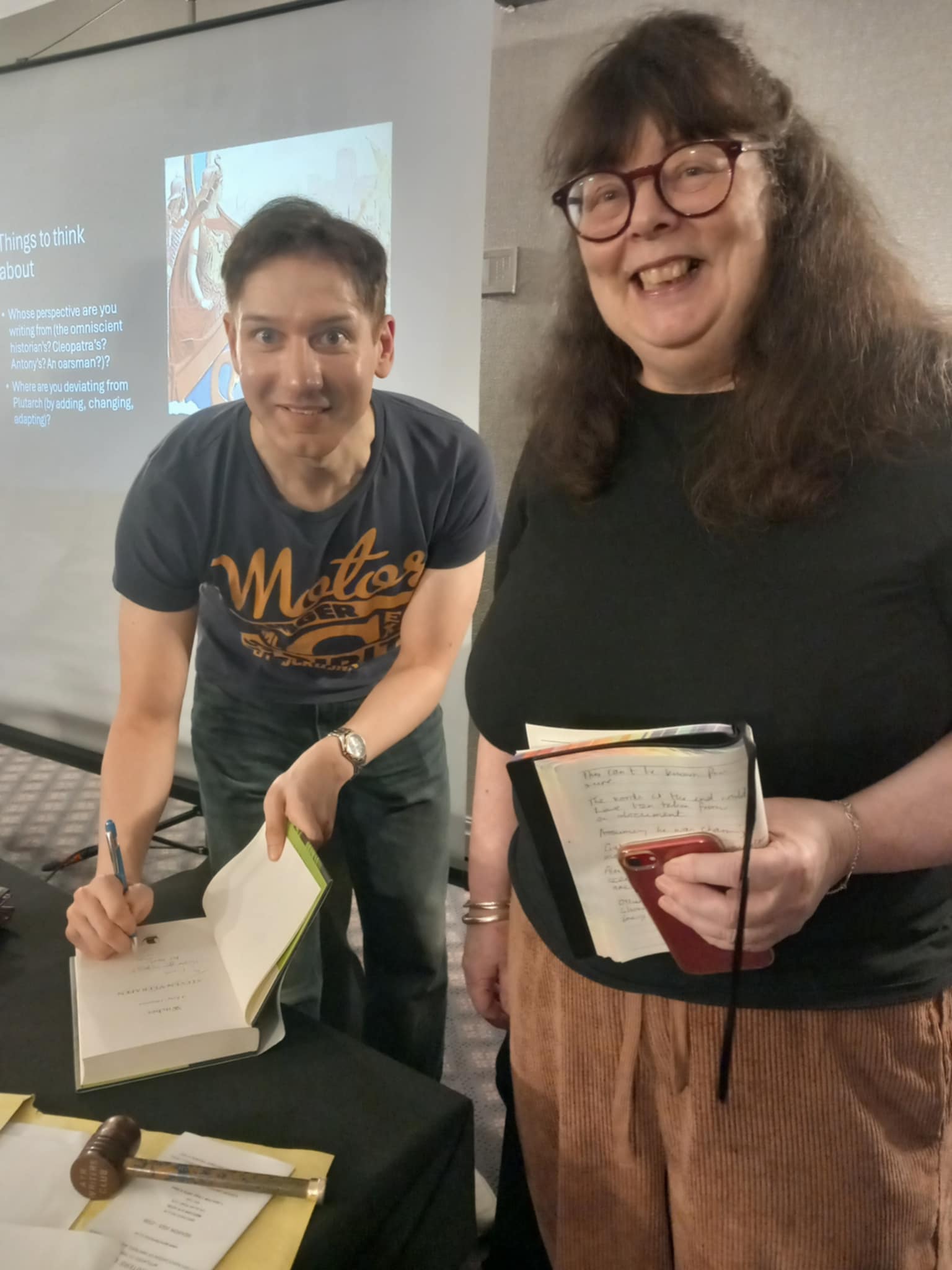 Some final advice from Stephen included re-reading your research text to remind yourself of things you might have forgotten, finding books which provide phrases, sayings and slang from that period, and being consistent with language.
 Finally, what is historical? As a general rule, if it happened 50 years ago or more, it is historical. However, Stephen argued that if it happened before you were born, even if you’re only 20 years old, then it can also be classed as historical.
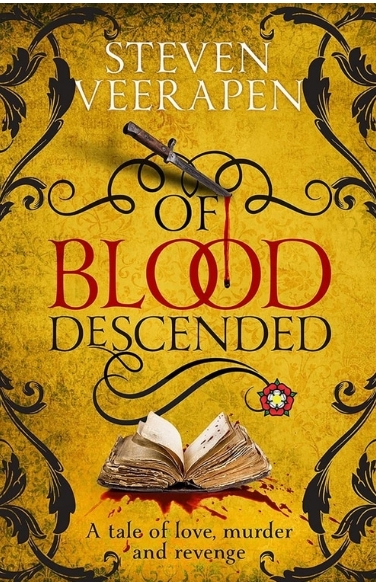 Stephen is adjudicating our novel competition this year, the theme of which is historical fiction based on a real-life character. It could be someone in your family, someone famous, or it could be someone obscure that you think would be interesting to a reader. So get out your own time machine, head back to the sights, sounds and smells of another time, and get writing.
Kirsty Hammond